
AI and Data: Catalysts for Spain's Energy Transition
Spain’s energy future depends on more than renewables data, AI, and digital innovation are now essential for stability, efficiency, and strategic autonomy. This article explores key insights from Re:Energía in Madrid, where industry leaders unpacked how AI is reshaping demand management, grid resilience, data governance, and the journey toward true energy independence.
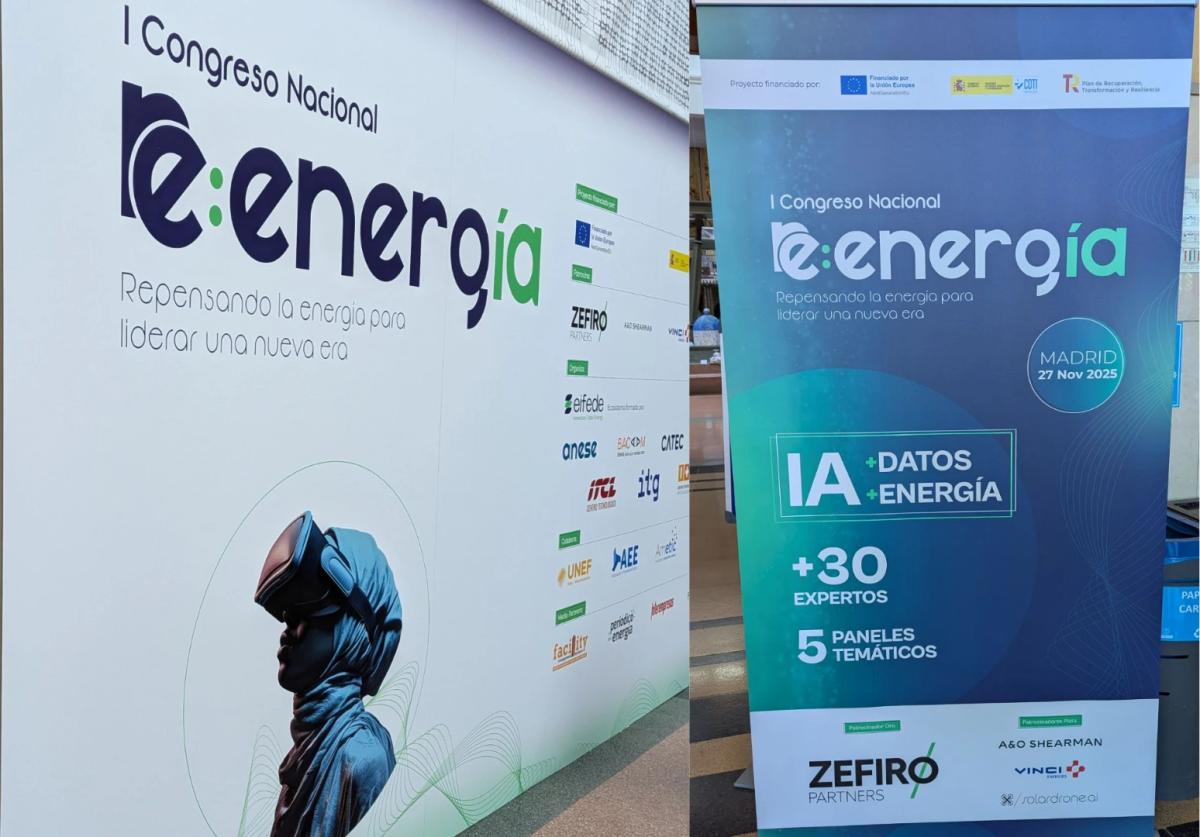

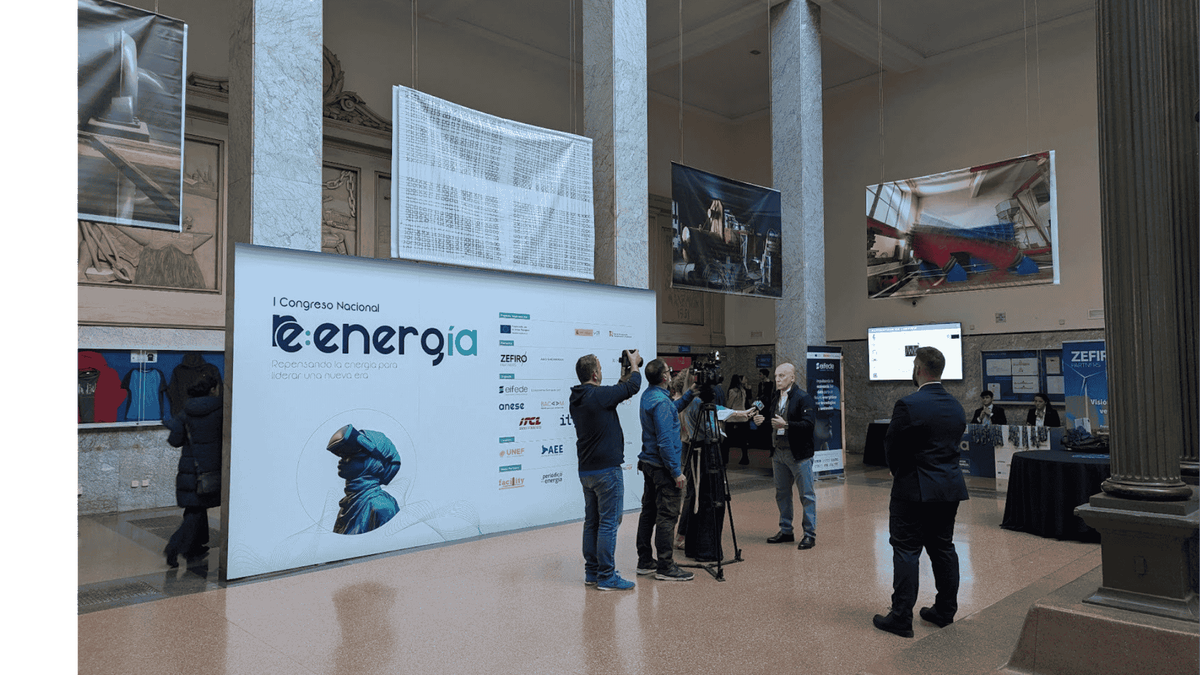
I recently attended Re:Energía in Madrid, the first national forum bringing together experts, leading companies, technology centers, and government bodies to discuss the digitalization of Spain's energy sector. A series of panel debates explored how AI and technological innovation are essential for the resilient evolution of the energy sector.
The Shifting Landscape: From Supply to Demand
One of the most striking insights came from ANESE's Carlos Ballesteros, who highlighted a fundamental shift in the sector's focus. After years of massive investment in renewable energy generation, the sector is now facing a new reality: monitoring demand accurately and timely. The industry is pivoting to address three critical challenges:
- Demand variability: adapting energy provisioning to consumption patterns real-time
- Grid robustness: building infrastructure that can handle variable energy flows
- Storage technologies: bridging the gap between generation and consumption
All of this requires sophisticated data management and predictive capabilities to operate efficiently.
Innovation as Survival, Not Option
José Moisés Martín from CDTI framed the discussion around a broader societal perspective, referencing how energy management has always been fundamental to civilization's evolution. His point resonated deeply: Europe's energy dependence has had geopolitical consequences we're still grappling with today. Strategic sovereignty, he argued, depends on our capacity to generate our own energy.
But here's the crucial insight: renewable energy is necessary but not sufficient. We must shift our focus from deployment to innovation. Without technological independence across the entire value chain (generation, storage, distribution, and use) we cannot achieve true energy autonomy.

From Data to Impact: How Leading Companies Are Innovating
Panel discussions revealed how major energy companies are structuring their innovation strategies in three phases:
- Optimizing internal production processes: investing in AI tools for better infrastructure and operational management scalability
- Adding customer value: creating new functionalities for both internal and external clients
- Generating new business models: through incubators and experimentation, delivering value customers didn't even know they needed
One theme emerged consistently across discussions: you cannot rush into AI without proper data governance. Companies like Naturgy shared their measured approach: starting with computer vision for facility supervision using drones in 2018-19, and progressively developing up to about 50 algorithms. They built structures to evaluate small use cases that collectively solve significant problems, following the principle of a gradual and confident escalation. The distinction between traditional AI and generative AI was also clarified. While traditional AI has been used for years, generative AI is now being explored through AI agents, especially for emerging areas like hydrogen-based energy where both technology and regulation are still being written.
The Data Challenge: Quality, Integration, and Interpretation
ENDESA's approach to data management illustrates the complexity involved. They draw from two main sources:
- Transactional processes (metering systems, billing, etc.)
- Customer interaction data (sales, claims, calls, consumption behavior)
But they also leverage external sources: public data, market information, and private datasets. The challenge isn't just collecting data; it's about data quality, avoiding silos, and ensuring integration for global use.
The key is knowing what you want from your data, how to process it for that purpose, and having people who can interpret it correctly to avoid misinterpretation.
Navigating the Regulatory Landscape
Another focus was regulation, often perceived as a brake on innovation but frequently serving as a catalyst for responsible development.
The challenge? The regulatory landscape feels like shifting sands. It's highly dynamic, and companies must continue their energy transformation without getting paralyzed by legal ambiguity. A particular concern is "shadow AI": AI systems being used within organizations without proper visibility or governance, a risk that has exploded with generative AI.
Key Considerations Before Implementing Technology
Before rushing to adopt AI, robotics, or other emerging technologies, several critical principles emerged from the discussions:
Start with the problem, not the solution. If your question is "I want to use AI (or whatever other technology), how or where can I apply it?" you're approaching this backwards. Don't follow trends just to follow trends. Technology should be the answer to your specific problems, not a solution searching for a problem.
Understand your risks and the solutions you actually need. Every organization faces unique challenges. A thorough assessment of your operational risks and pain points should drive your technology strategy, not the latest hype cycle.
Find the right collaborators. Whether it's technology partners, research institutions, or other companies in your sector, choosing collaborators who understand your context and challenges is crucial for successful implementation.
Establish robust risk prevention policies. As we've seen with the explosion of "shadow AI", having clear governance frameworks and risk management protocols isn't optional. It's foundational to responsible innovation.

The Path Forward: Collaboration at Every Level
The event's overarching message was about collaboration:
- Public-private collaboration: beyond regulation to include standards, financing, and deployment
- Private-private collaboration: connecting established companies with startups seeking use cases
- Public-public collaboration: coordinating between different government bodies and institutions
As we face the dual challenges of climate change and energy sovereignty, the integration of AI and digital technologies isn't optional: it's the foundation upon which Spain's energy future aims to be built. The question isn't whether to digitalize, but how quickly and effectively we can do it while ensuring sustainability, equity, and strategic autonomy.
The companies and institutions that will lead this transformation are those already building their data governance, experimenting with AI use cases at scale, and fostering true collaboration across the ecosystem.